Fence Accessories and Components That Speed Up Installations




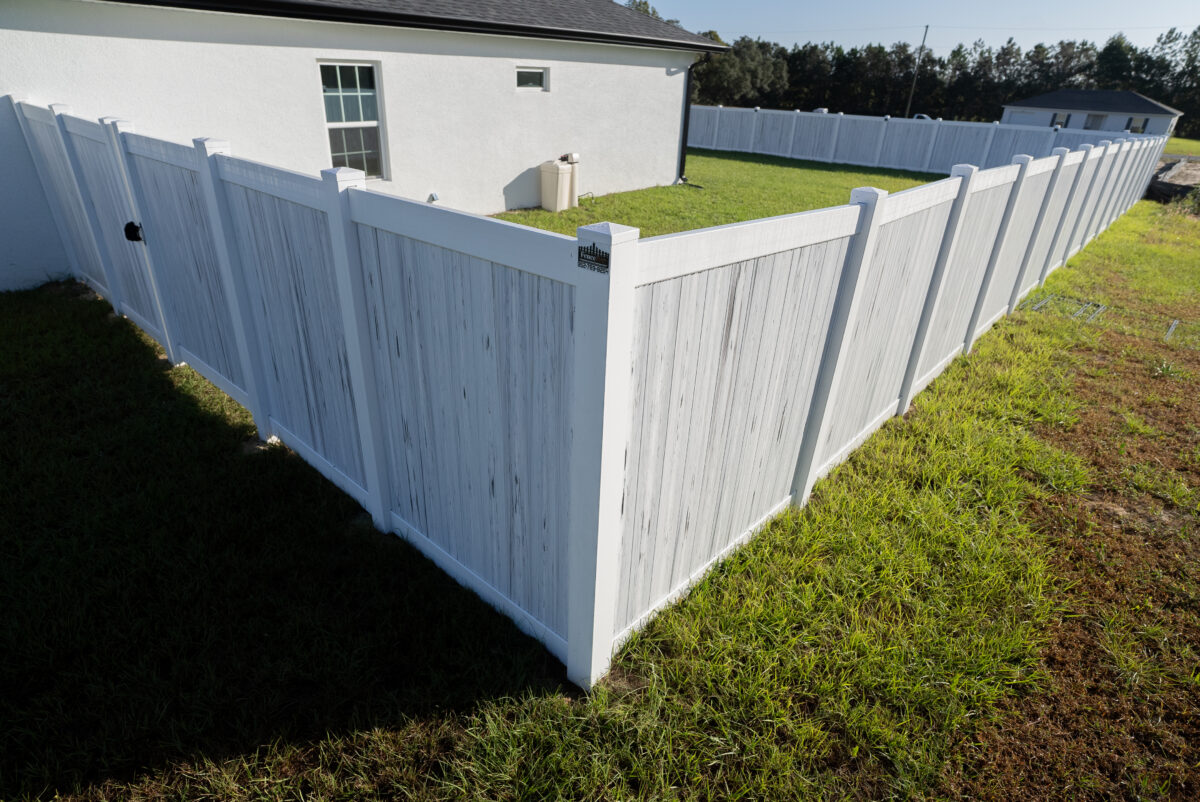
A missing hinge can hold up a finished gate. The wrong post can interrupt an entire fence run. Small material issues can turn into extra trips, idle crew time and jobs that take longer than planned.
The components that help keep installations moving are not always complicated. Compatible posts and rails, correctly selected gate hardware and complete hardware packages can prevent avoidable interruptions. Having the finishing pieces ready matters, too.
At Dura Fence Wholesale, we help contractors source fencing materials and supporting components for their projects. When buying wholesale fence accessories, look at how the parts work together, not just the price of each piece.
A well-prepared order gives your crew what it needs to move from layout to the finished installation. Here is where to focus your planning.
Which Fence Components Help Keep Installations Moving?
The right accessory helps your crew complete a specific task without stopping to find a missing part or resolve a mismatch. Use this overview to guide the material discussion before ordering.
These parts do not make every installation faster by themselves. The benefit comes from selecting the correct components and having them available when the crew reaches that step. Our gate hardware and accessories page is a useful place to review the options before discussing your project with our team.
| Component | How it helps keep work moving | What to check |
|---|---|---|
| Matching posts and rails | Helps avoid fit problems and changes after layout begins. | System, profile, dimensions and connection requirements. |
| Compatible gate hinges | Allows the crew to hang the selected gate with hardware intended for that application. | Mounting surfaces, manufacturer limits and required clearances. |
| Application-appropriate latches | Helps avoid replacing hardware that does not suit the opening’s intended operation. | Access needs, mounting arrangement and any applicable barrier requirements. |
| Double-gate drop rods | Provides the specified means of securing a gate leaf. | Rod style, length and compatibility with the gate configuration. |
| Hardware kits | Simplifies purchasing when the included parts match the planned assembly. | Exact contents, quantities and anything sold separately. |
| Caps, handles and specified fasteners | Helps the crew finish the installation without another supply run. | Sizes, finishes, attachment method and quantities. |
Start With A complete Material List
Faster installations start with a takeoff that reflects the actual layout. Total footage is the starting point, but it does not identify every component needed to build the fence. Measure and label each run separately. Mark corners, ends, gate openings and elevation changes, then identify the components required by the selected system. Some systems use different post profiles or connections at these locations, so avoid assuming every post is interchangeable.
A practical material checklist should include:
- Run identification: A simple label that connects the materials to the layout.
- Fence specifications: Material, style, height and finish.
- Framework: Required post types, rails and system-specific connections.
- Gate details: Opening dimensions, gate configuration and intended operation.
- Hardware: Hinges, latches, handles, drop rods and specified mounting parts.
- Finishing pieces: Caps and other components required to complete the selected system.
- Order status: Quantities requested, availability and any unresolved selections.
Keep unknown details visible rather than filling them with assumptions. If a gate size or connection requirement is still being reviewed, flag it before the order is finalized.
Our contractor’s guide to fence estimates explains how scope, materials and site conditions fit into project planning. Use the same information to check that the material order matches what you have proposed to the customer.

Match Posts and Rails to the Fence System
A part can look close to the right size and still be wrong for the installation. Matching the system means checking the profile and connection method as well as the material.
For galvanized steel fencing, review the specified posts, rails and picket configuration together. Our Dura Fence galvanized steel panels page provides component information for the listed systems. Confirm the selected configuration before using those details in your takeoff.
Vinyl needs its own review. Rail profiles and connections vary by style, and some applications may require reinforcement. Our vinyl lineup includes aluminum stiffeners, but the appropriate component depends on the selected system and project requirements.
Aluminum fencing also needs compatible panel, post and gate components. Do not carry a connection detail from another material into the order simply because the finished fence looks similar.
Pay attention to how dimensions are described. A nominal panel width, an actual component measurement and a required post layout dimension may refer to different things. Use the manufacturer’s installation dimensions when planning the assembly.
For phased projects, record the system and component specifications used in the first installation. Product names, profiles and finish details provide a more useful reference than a note that simply says “white fence” or “metal posts.”
Plan the Gate Before Ordering the Hardware
Gate planning starts with how the opening will be used. A pedestrian entry, a vehicle opening and a frequently used service gate can call for different configurations.
Record the opening dimensions and identify nearby slopes, landscaping or structures that could affect operation. Establish the intended swing direction and clearance before selecting the gate package.
For example, consider a project with a double-swing vehicle gate. The order needs to account for both leaves, their supporting posts, compatible hinges and the selected closing arrangement. If the configuration calls for drop rods, those belong on the list as well.
That example is not a universal hardware package. The exact components and clearances depend on the chosen gate and its installation requirements.
We supply fence gate systems in steel, vinyl and aluminum, with custom sizing options available. Share the opening details and intended use when discussing the project with our team.
Once the configuration is settled, keep the gate and its hardware together on the project checklist. Give each opening a label so the crew can connect the correct parts to the correct location.


Choose Compatible Hinges and Latches
Start with the gate material, then check the requirements of the actual assembly. A hinge intended for metal is not automatically suitable for every metal gate.
Review the manufacturer’s permitted gate dimensions or weight, mounting requirements and clearance instructions. Confirm whether the selected model provides any adjustment or self-closing function the application needs. Do not assume those features are included.
Latch selection deserves the same attention. An everyday side-yard opening and an opening requiring controlled access may need different hardware. Check how the latch mounts and how the customer needs to operate it.
For pool or amenity access, review the applicable barrier requirements and the complete gate configuration. A latch alone does not establish that the finished assembly meets every requirement.
Dura Fence Wholesale offers material-specific hinge options, several latch types and hardware sold in kits or individually. Our standard hardware lineup focuses on swing gate applications, so discuss slide gate requirements separately.
Check What the Kit Actually Includes
Include the Small Parts That Finish the Job
Small parts rarely lead the ordering conversation, but they can determine whether the crew finishes the job that day.
Caps need to match the posts or pickets they cover, along with the selected attachment method. A cap in the wrong size is still an unfinished item, even when its color matches.
Handles provide the intended pull point on the gate. Include them where specified rather than leaving the final operating detail for the installer to solve with whatever is available.
On a double-swing gate, a drop rod may be part of the arrangement that secures one leaf. Confirm the required style and length with the selected gate configuration instead of choosing by appearance alone.
Fasteners and connectors deserve their own check. Identify the specified type, dimensions and quantities, and confirm what comes with the larger components. Do not assume a box of mixed leftover hardware is suitable for every system.
Package small items by opening or fence run where practical. Label each container to match the layout, then compare its contents against the checklist before loading.
This is also a useful time to identify parts that need to be ordered separately. A small omission is easier to resolve before the crew reaches the final installation steps.
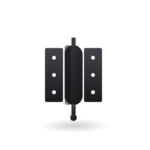 Economy Hinge: Metal
 Economy Hinge: Vinyl
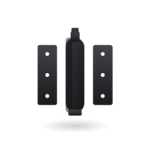 Premium Hinges: Vinyl
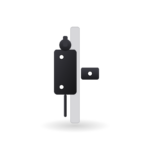 Pool Latch
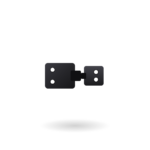 Mini Econo Latch
 Mini Spring Latch
 Large Paddle Latch
 Single Keyed Latch
 Double Keyed Latch
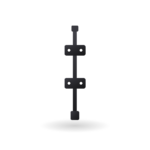 36” Wrap Around Drop Rod
 24″/40” Surface Mount Drop Rod
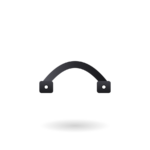 6” Standard Metal Handle
Organize Materials Around the Installation Sequence
A complete material list needs a practical availability check. Before committing the crew to an installation date, confirm that the selected components can be supplied for the planned schedule.
Identify any special sizes, finishes or custom pieces early. If an item is unavailable, review the proposed alternative before collection. A similar-looking component should not be substituted without checking its compatibility with the selected system.
Once the order is ready, label bundles by job, particularly when one pickup includes several properties. Keep gate components and special parts clearly identified so they do not disappear into another project’s materials.
At the property, organize supplies around the planned work sequence while keeping access routes clear. Follow the product’s handling and storage instructions to help protect finishes before installation.
Give one person responsibility for comparing the received materials with the order. Record shortages, damage or unexpected substitutions and contact the supplier before proceeding with an affected assembly.
Keep the notes after the job. If crews repeatedly discover the same missing cap, fastener or gate component, add a specific checkpoint to the next order review. A checklist becomes more useful when it reflects the problems your team actually encounters.
FAQ's
Prepare clear photos of the component, its connection points and the surrounding fence or gate. Record the material, relevant dimensions and any visible product markings. Explain whether you need a direct replacement or are changing the assembly. Ask our team what additional details are needed and how to submit them before assuming a similar-looking part will fit.
Do not assume they can. Our hardware lineup includes hinges intended for vinyl and options for metal or aluminum gates. Confirm compatibility with the specific gate and application before ordering, even if the parts look similar.
That depends on the job. Kits can simplify purchasing for a matching configuration, while individual components can suit repairs or projects with different requirements. Compare the contents against your material list so nothing is missed or ordered twice.
Provide the layout, footage, fence material, height and finish. Include gate opening dimensions, quantities and intended use. Note unusual site conditions or custom requirements, along with your target installation date, so the material discussion starts with the right details.
 English
 Spanish